
World Travel Market 2025: Insights, Innovation, and Saudi Arabia's Bold Vision
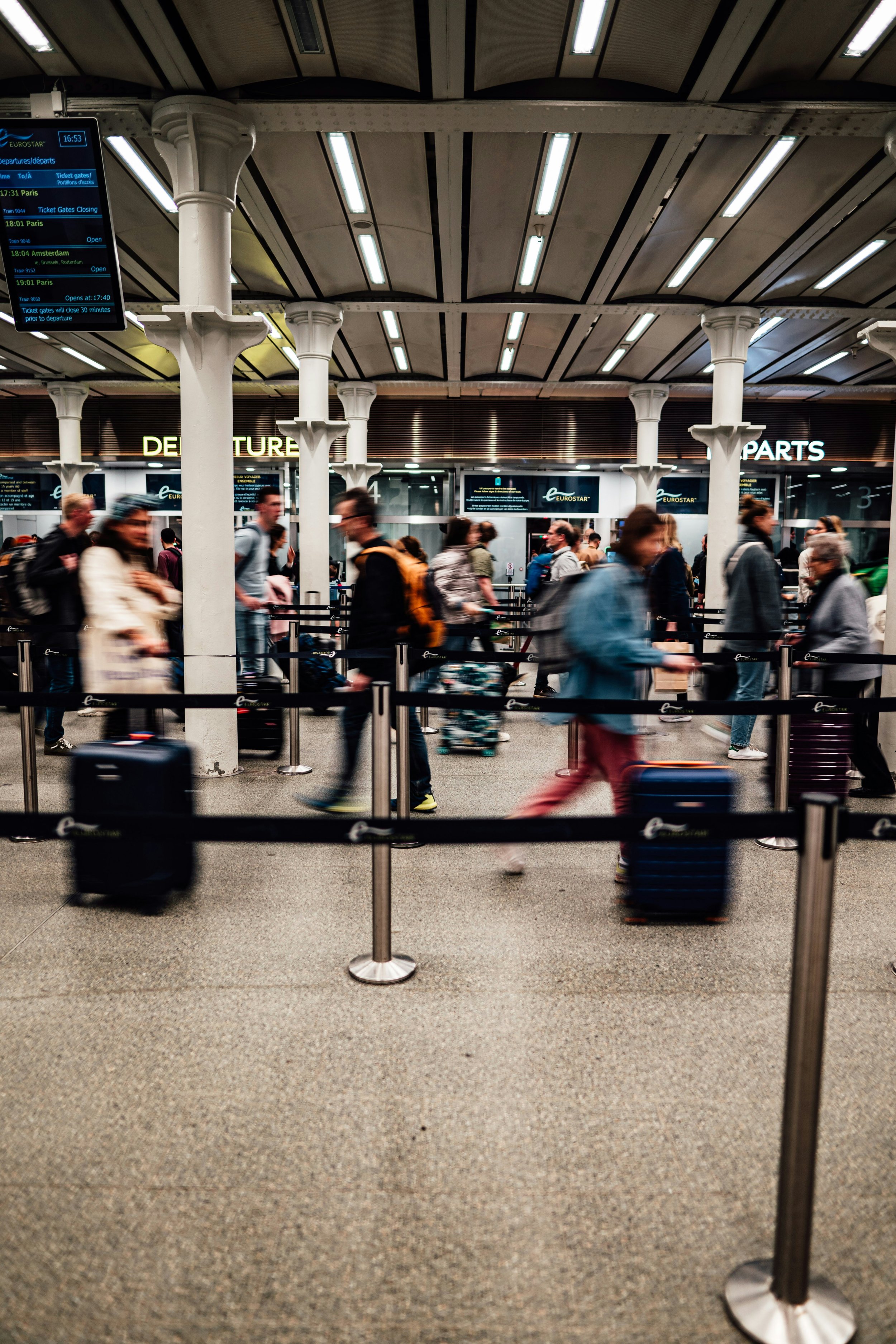
My watch has completely given up reminding me to stand. Not a single notification in days. After hitting 20,000 steps on back to back days at World Travel Market 2025, I'm exhausted but properly energised by the people and the travel industry as a whole. There's something special about experiencing travel brands through all your senses: the visual spectacle of the stands, touching the fabrics and materials, feeling the energy of it all.
WTM 2025 delivered two genuinely insightful panels that cemented my thinking on where travel marketing is heading, alongside some fascinating encounters with brands reshaping global tourism.
Two Panels That Shaped My Thinking
Travel Creator Monetisation: Beyond the Instagram Fantasy
The first panel brought together Frédéric Aouad (Stay22), Natalya Wissink (Secret Escapes), and Colin Carter (Weather2Travel.com), moderated by Kateryna Topol. The discussion cut through the creator economy noise with hard data and practical strategies.
Key insight? Successful creators maintain 4 to 5 income streams, but it's not about quantity alone. Understanding your audience demographics deeply enough to match the right affiliate partners makes the difference between decent income and sustainable revenue. US audiences convert better with Expedia, Southeast Asia with Agoda. The UK travel affiliate market generates £5 billion annually, proving the model works at scale when done properly.
The panel also tackled the AI question head on. Use it to automate the tedious operational work, but never lose sight of what audiences actually value: authentic, first hand travel experiences. As Wissink put it: "You have to have that first experience of the destination. It has to be real."
Read the full analysis: The Future of Travel Creator Monetisation
Brand, Performance, or AI: The Marketing Investment Debate
The second panel, moderated by Matthew Gardiner (Travel Massive London), featured Alex Hunter (Attaché/WindowSeat), Brennen Bliss (Propellic), and Dan Christian (Travel Trends Podcast) debating where marketing budgets should go.
Hunter made the emotional case for brand: you remember how that trip felt 25 years ago, but not what it cost. Bliss argued performance marketing is the funding engine that pays for everything else, managing nearly $100 million in ad spend to prove it. Christian positioned AI as the infrastructure investment that powers both approaches.
The most revealing insight? Booking.com built its empire on performance but had to master brand to go global. Expedia did the opposite. Neither succeeded by choosing one approach. They succeeded by excelling at both.
As a strategy director, this cemented why I lean towards brand. It's what you truly own when algorithms change and costs rise. The feeling persists long after the price is forgotten.
Read the full debate: Brand, Performance, or AI Marketing Investment
Saudi Arabia's Integrated Vision 2030 Push
Beyond the panels, the show floor revealed Saudi Arabia's comprehensive strategy to become a major tourism destination by 2030. The coordination across multiple stands was impressive.
Riyadh Air: Premium Aviation Ambitions

Riyadh Air launched its first commercial flights in October 2025, initially serving London Heathrow and Dubai International. But the ambition goes far beyond two routes. The airline aims to connect Riyadh with over 100 destinations by 2030, operating a modern fleet of Boeing 787 Dreamliners and Airbus A350s with partnerships across SkyTeam and Star Alliance members including Delta, Singapore Airlines, and Turkish Airlines.
What struck me at their stand was the quality of the sales team and their clear positioning as a premium carrier competing with Emirates and Qatar Airways. The difference? Riyadh Air focuses specifically on enhancing connectivity to and from Saudi Arabia, tapping into the Kingdom's historically underserved market.
Qiddiya City: Entertainment at Scale
Located just 40 minutes from Riyadh in the Tuwaiq mountains, Qiddiya City represents Saudi's entertainment ambitions. It's positioned as the world's first destination built specifically for play, where entertainment, sports, and culture converge.
The scale is genuinely ambitious. The development will include the world's only Dragon Ball Theme Park, the first water theme park in Saudi Arabia with 22 rides across 8 themed zones, the world's first dedicated gaming and esports neighbourhood, and motorsports facilities including a venue for the 2034 World Cup. The organisers expect 17 million annual visitors by 2030.
Visit Saudi: Tying It Together
The Visit Saudi stand showcased how these pieces fit together under Vision 2030. It's not just about building an airline or a theme park in isolation. It's creating an entire ecosystem: aviation connectivity, entertainment destinations, and comprehensive destination marketing working in concert.

The sales teams and partners were genuinely excited about 2026. They're past the vision stage and discussing confirmed routes, completed construction phases, and specific visitor targets.
Other Notable Encounters
BrightLine showcased their work revolutionising intercity rail travel in the United States, bringing premium rail experiences to a historically underserved market.
IRYO demonstrated Spanish high speed rail innovation, with their team discussing how they're reshaping European travel patterns.
South African Airways had strong presence with their team focused on growth and improving connectivity across the African continent.
Air Baltic showcased their European operations and regional positioning, with a knowledgeable sales team discussing their route network strategy.
Strategic Takeaways
Three things crystallised for me at WTM 2025.
First, data driven decision making applies beyond performance marketing. Understanding your audience demographics deeply enough to match the right commercial partners is fundamental to sustainable creator revenue.
Second, organic traffic is declining rapidly as travellers research through ChatGPT and AI modes instead of traditional search. If your strategy doesn't account for how AI surfaces travel information, you're already behind. But AI won't replace the fundamental human need for authentic experiences and emotional connections to brands.
Third, Saudi Arabia's integrated approach demonstrates what serious ambition looks like. They're building an entire ecosystem designed to position Saudi as a major global tourism destination, not just isolated projects.
The future of travel isn't just about price and performance. It's about creating experiences and feelings that persist. WTM 2025 showed me an industry that understands this at every level, from individual creators optimising affiliate strategies to nations investing in once-in-a-generation tourism infrastructure.
Now, if you'll excuse me, my feet need a proper rest.
Dive deeper into the panel discussions: